If you are in a mental health crisis, free 24/7 support is available. Call or text 988. If it is an emergency, call 911.

Call or text 988

Treatment options at MyNeuPath Long Beach

Options for different kinds of stuck.

MyNeuPath is set up to coordinate across neuromodulation, medication, and structured psychotherapy under a single clinical plan. Some patients need one of these treatments; many need a combination. A recommendation comes after a careful evaluation of your prior treatment, current symptoms, safety, evidence base for your condition, and insurance coverage. This page is a starting point — each treatment has its own dedicated page with detail.

Treatments offered

FDA-cleared

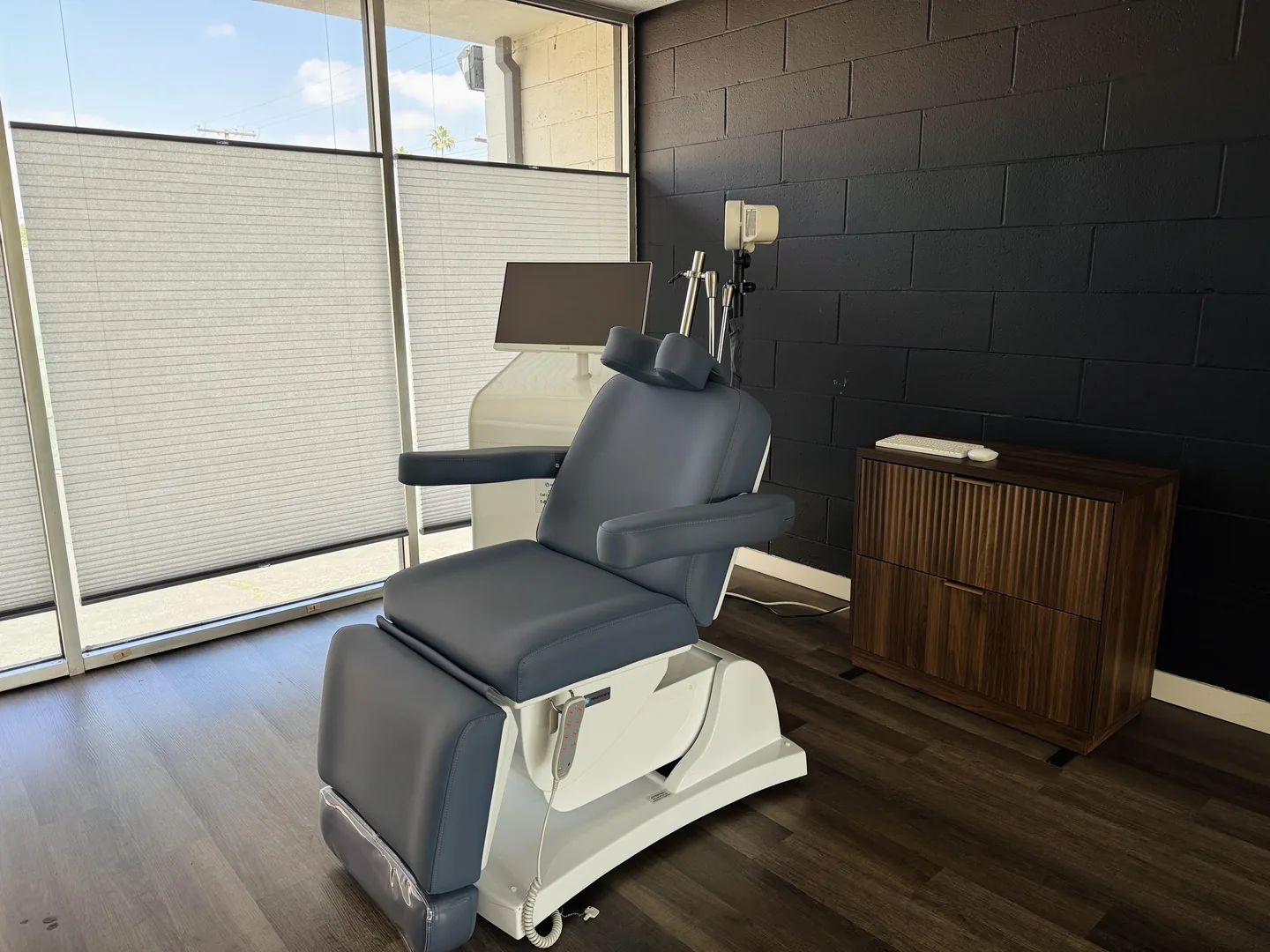
TMS

Non-invasive magnetic stimulation for mood-regulating circuits. FDA-cleared for treatment-resistant depression and OCD. Outpatient, non-sedating, drug-free.

Typical course: 30–36 sessions over about six weeks. Drive yourself home afterward.

Read about TMS →
Personalized

PrTMS

EEG-guided personalized rTMS for patients whose clinical picture calls for an individualized neuromodulation plan. Begins with a resting brainwave measurement; protocol may be recalibrated as the brain responds.

Same outpatient delivery feel as standard TMS, with an upstream personalization layer.

Read about PrTMS →
Off-label / FDA-approved

Ketamine & Spravato

Two different pathways. Generic ketamine is used off-label for treatment-resistant depression and PTSD. Spravato (esketamine) is the FDA-approved nasal spray for treatment-resistant depression with a mandatory REMS monitoring program.

Both delivered in a monitored clinical setting. Driver required for transport home.

Read about ketamine and Spravato →
Evidence-based

EMDR

Structured trauma therapy using bilateral stimulation to help the brain reprocess painful memories. Strongest evidence base for PTSD; commonly used for complex trauma, anxiety, grief, and phobias.

Typical sessions: 60–90 minutes. Combines well with TMS, ketamine, or medication management.

Read about EMDR →
Foundational

Therapy & medication management

Talk therapy, ACT, and medication management remain part of the plan when they are clinically useful. The goal is not to replace every prior tool, but to use the right ones with more context.

Coordinated with the rest of your treatment plan — not as a separate silo.

How we decide what to recommend

There is no universal best treatment. The recommendation depends on:

  • What you have already tried. Which antidepressants, at what dose, for how long, with what response. Which therapy modalities, with what outcome. Whether you have had TMS, ketamine, or other neuromodulation before, and how it went.
  • The clinical picture now. Symptom severity, functional impact, safety considerations, co-occurring conditions, medical history.
  • Evidence base for your specific situation. The strength of the evidence is different for major depression, OCD, PTSD, anxiety, postpartum depression, and other conditions. We say clearly where the evidence is strong, where it is emerging, and where it is honestly thin.
  • What you can actually do. A daily-weekday TMS course is right for someone whose schedule can accommodate it; weekly EMDR is right for someone in a different rhythm. We design plans that you can keep.
  • Insurance and cost. We verify benefits and explain expected out-of-pocket cost before scheduling treatment. Coverage varies meaningfully across these options.

Not sure which one fits?

The first call is short and practical. We ask about prior treatment, current symptoms, insurance, and schedule, and decide together whether a clinical evaluation makes sense.